

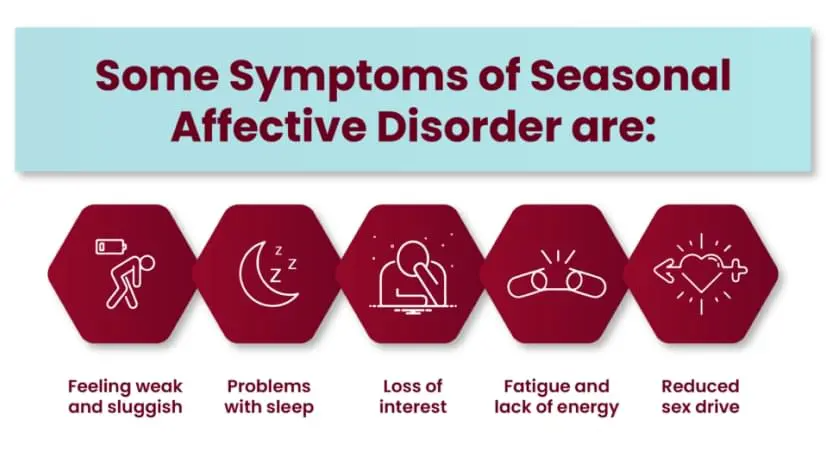
Seasonal Affective Disorder (SAD) and Women: How Chad Peters Therapy Can Help As the days grow shorter and temperatures begin to drop, many people notice changes in their mood and energy levels. For some, these seasonal changes are more than just the "winter blues." Seasonal Affective Disorder (SAD) is a type of depression that follows a seasonal pattern, most often occurring during the fall and winter months when sunlight is limited. Women are significantly more likely to experience Seasonal Affective Disorder than men. Hormonal fluctuations, biological differences, caregiving responsibilities, stress, and the demands of balancing work and family life can all contribute to a higher risk of developing SAD. Symptoms often begin gradually and may include persistent sadness, fatigue, low motivation, irritability, difficulty concentrating, changes in appetite, weight gain, oversleeping, and a loss of interest in activities that once brought joy. Many women blame themselves for feeling overwhelmed, exhausted, or emotionally drained during the colder months. However, SAD is a recognized mental health condition and is not a sign of weakness. Reduced exposure to sunlight can disrupt the body's internal clock, affect serotonin levels that regulate mood, and impact melatonin production, which influences sleep patterns. These biological changes can create a cycle of low energy, emotional distress, and social withdrawal. At Chad Peters Therapy, we understand the unique challenges women face when dealing with Seasonal Affective Disorder. Our approach focuses on helping individuals identify symptoms early, develop healthy coping strategies, and regain a sense of balance and well-being. Through compassionate, personalized therapy, clients can learn practical tools to manage the emotional and physical effects of seasonal depression. Cognitive Behavioral Therapy (CBT) is one of the most effective treatments for SAD. During therapy sessions, clients learn to recognize negative thought patterns and replace them with healthier perspectives. Therapy can also help women establish routines that support mental wellness, including stress management techniques, healthy sleep habits, regular exercise, and meaningful social connections. For women juggling careers, relationships, parenting, and personal responsibilities, the additional burden of Seasonal Affective Disorder can feel overwhelming. Therapy provides a safe and supportive environment to process emotions, reduce anxiety, and build resilience during difficult seasons. By addressing both the symptoms and underlying stressors, women can experience lasting improvements in mood, confidence, and overall quality of life. You don't have to struggle through the fall and winter months alone. If you find yourself feeling unusually sad, disconnected, fatigued, or hopeless as the seasons change, professional support can make a meaningful difference. Chad Peters Therapy is committed to helping women understand their mental health, develop effective coping strategies, and find hope even during the darkest months of the year. This season, prioritize your emotional well-being. Brighter days are ahead, and with the right support, you can regain your energy, confidence, and joy. Contact Chad Peters Therapy today to learn more about how therapy can help you navigate Seasonal Affective Disorder and create a healthier, more fulfilling path forward.

Access flexible mental health support with a telehealth counseling service offering secure online therapy, licensed therapists, and personalized remote care.
Attention-Deficit/Hyperactivity Disorder (ADHD) is a common neurodevelopmental condition that affects both children and adults. While many people occasionally struggle with focus or organization, ADHD involves ongoing patterns of inattention, hyperactivity, and impulsivity that can interfere with daily life, work, school, and relationships. Understanding the signs of ADHD is often the first step toward finding effective support and treatment. Common Signs and Symptoms of ADHD One of the most noticeable signs of ADHD is difficulty with attention and focus. Individuals with ADHD may struggle to stay engaged in tasks, especially those that require sustained mental effort. They may become easily distracted, overlook important details, or frequently forget appointments, deadlines, and responsibilities. These challenges can affect performance at work, school, and home. Another key symptom of ADHD is hyperactivity. Although hyperactivity is often associated with children, adults can experience it as well. Symptoms may include restlessness, excessive talking, difficulty relaxing, or feeling constantly "on edge." Even when sitting still, many people with ADHD describe their minds as constantly racing. Impulsivity is also a common characteristic of ADHD. Individuals may act before fully considering consequences, interrupt conversations, make quick decisions without adequate planning, or have difficulty waiting their turn. Over time, impulsive behaviors can impact both relationships and decision-making. Beyond attention and behavior, ADHD can also affect emotional well-being. Many individuals experience frustration, low self-esteem, anxiety, or feelings of being misunderstood, particularly when they struggle to meet expectations despite their best efforts. How Therapy Can Help Manage ADHD Working with a therapist can make a significant difference in managing ADHD symptoms. Therapy provides a supportive environment where individuals can learn practical strategies tailored to their unique challenges and strengths. One evidence-based approach commonly used for ADHD is Cognitive Behavioral Therapy (CBT). CBT helps individuals identify unhelpful thought patterns and replace them with healthier, more constructive ways of thinking. This process can improve focus, increase motivation, and build confidence. Therapists also help clients develop important organizational and time-management skills. These strategies may include: Creating consistent daily routines Using planners, calendars, or digital tools Breaking large tasks into smaller, manageable steps Setting realistic goals and priorities Developing systems for accountability Over time, these techniques can reduce feelings of overwhelm and improve productivity. Additionally, therapy can support emotional regulation. Learning how to manage frustration, stress, and impulsive reactions can strengthen both personal and professional relationships. Therapy can also help individuals build positive habits and maintain consistency with their goals. Living Successfully With ADHD ADHD can present real challenges, but it is highly manageable with the right support. Recognizing the signs and seeking professional guidance can empower individuals to develop new skills, build confidence, and create more balanced, fulfilling lives. At Chad Peters Therapy, the belief is that a diagnosis does not define a person. ADHD is only one part of an individual's story. People living with ADHD are parents, spouses, students, teachers, healthcare professionals, business owners, artists, and friends. They experience both challenges and successes, just like everyone else. By replacing stigma with understanding, we can create an environment where people feel comfortable seeking help when they need it. If you or someone you love may be experiencing symptoms of ADHD, know that support is available. With the right treatment and guidance, stability, growth, and a meaningful life are possible. At Chad Peters Therapy, healing begins with understanding, and hope begins with connection.

Discover how family counselors tailor therapy for children and teens to build trust, foster emotional growth, and strengthen long-term family relationships.